Category: Cruise Port Guides

  • St. John’s Newfoundland Cruise Port Guide: What to See and Do in this Spectacular Port

    St. John’s Newfoundland Cruise Port Guide: What to See and Do in this Spectacular Port

    By Kris & Melanie Parsons, Dockside Travel

    We’ve made port guides for cities all over the world. This one is different. St. John’s is home.

    It’s absolutely beautiful here, the people are so friendly, and the history is rich — and most visitors have no idea how much you can actually do right off the ship. St. John’s is the oldest city in North America and the easternmost, a working harbour city shaped by the sea. If your cruise is calling here — likely on a Canada/New England run or a transatlantic repositioning toward Greenland, Iceland or Europe — this guide covers how the port day really works, what’s worth your limited hours, and what you can leave for next time. We know the city, we know the weather, and we know how spectacular a visit here can be. We also know you need a realistic plan, because some of the best attractions sit outside downtown, the city is hillier than most visitors expect, and Newfoundland weather can turn on a dime.

    Is St. John’s Worth Getting Off the Ship?

    Hands down — this is a full day ashore.

    By the time you do an excursion to Signal Hill or Cape Spear, or both, you’ll also want to leave time to explore the rest of the city — the downtown waterfront, George Street, the shops and pubs. There is genuinely that much to see and do. The food and the hospitality are the icing on the cake. This isn’t a port that gets the hype of a Caribbean beach day, and that works in your favour: it’s a compact, walkable harbour city where the ship ties up right downtown, the big scenery is minutes away, and the history is real rather than staged for visitors.

    One local quirk to plan around: St. John’s runs on Newfoundland Time — half an hour ahead of Atlantic, an hour and a half ahead of Eastern. Check whether your ship is on local time or holding the last port’s time so you don’t misjudge your all-aboard.

    Arriving Through The Narrows

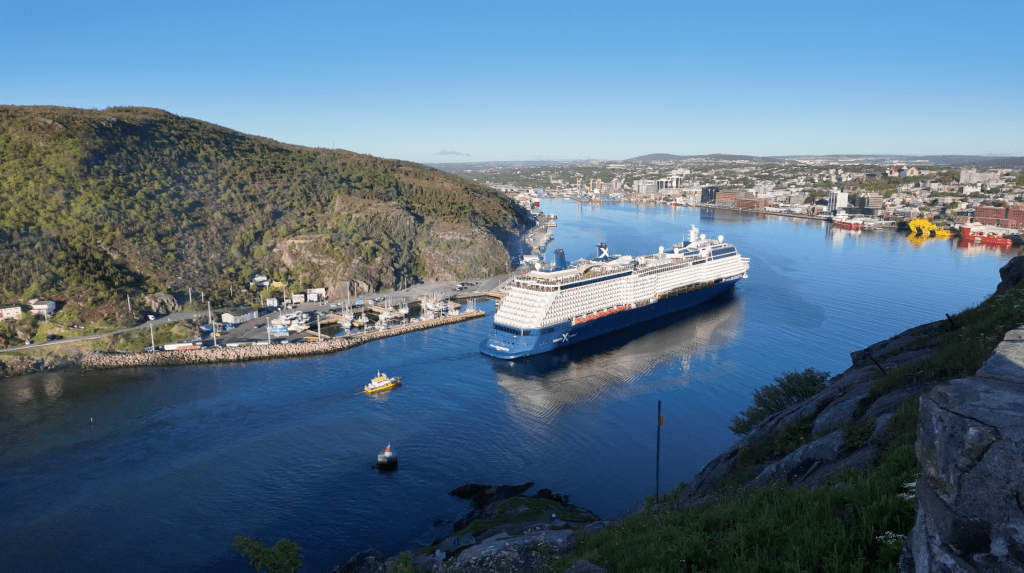
    The approach is one of this port’s greatest attractions. Ships come in from the open North Atlantic and squeeze through The Narrows — the dramatic natural channel between the cliffs of Signal Hill on one side and Fort Amherst on the other — before the harbour and downtown suddenly open up ahead. It’s one of the best arrivals anywhere in cruising, so be out on deck well before the scheduled arrival time. This is not a port where you want to sleep through the sail-in.
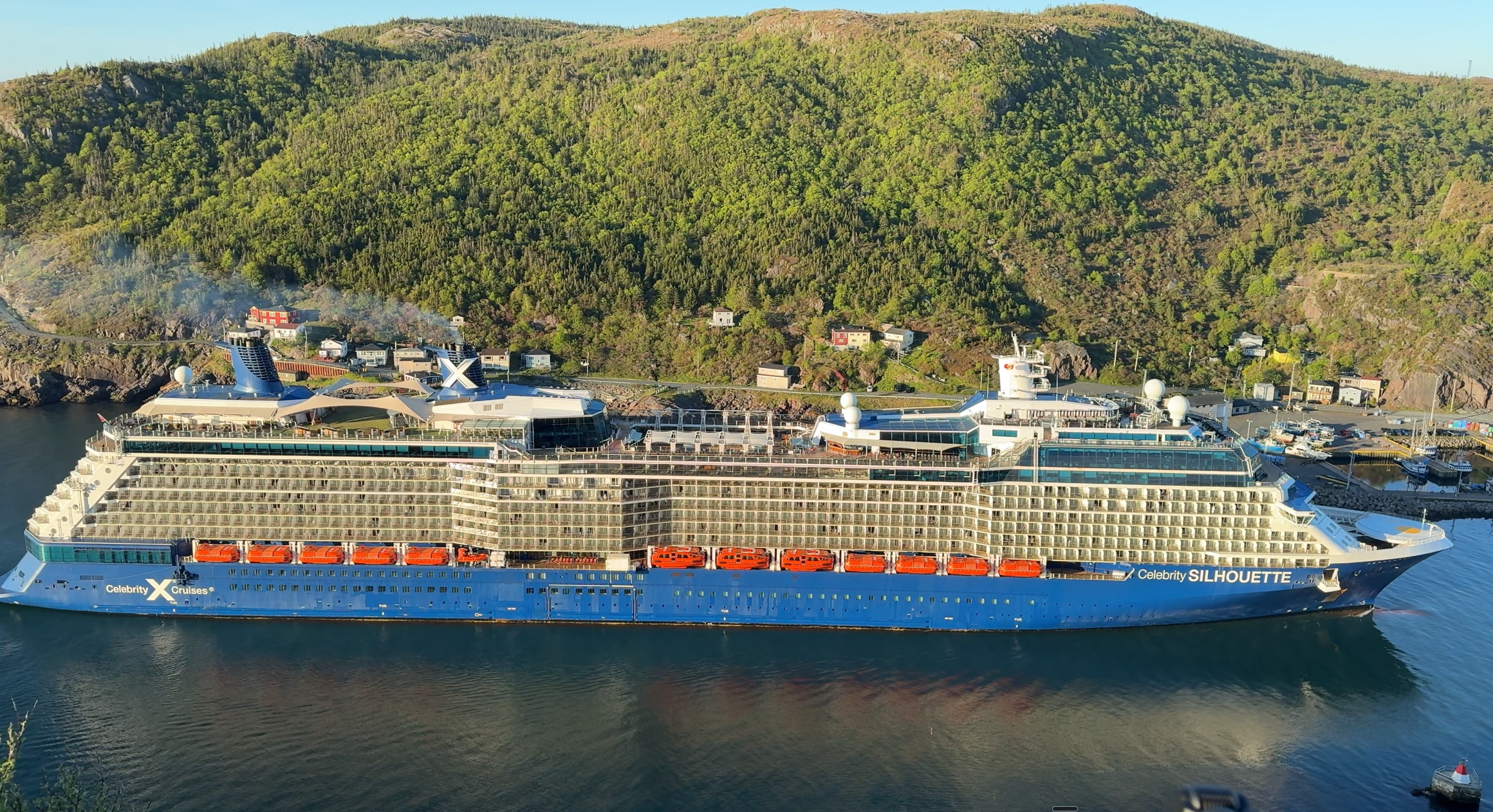
    Celebrity Silhouette in St. John's harbour beneath the hills of the Narrows

    There are three completely different ways to experience that entrance: sailing through it on your ship, looking down over it from Signal Hill, and passing through it at water level on a local boat tour. Each one feels like a different place. The harbour is also a genuine working port — cruise ships share it with offshore-supply vessels, fishing boats and tour boats — and that working-waterfront character is a big part of the city’s identity.

    Signal Hill and Cabot Tower

    If you do one thing above the waterline, make it Signal Hill. It’s the attraction we’d put at the top of almost every first-timer’s list — sweeping views over downtown, The Narrows and the open Atlantic, crowned by Cabot Tower, with walking trails and remnants of the city’s military history around the summit. It’s also one of the best places on earth to watch a cruise ship thread The Narrows; from up there a ship can look impossibly close to the cliffs.

    Cabot Tower on Signal Hill above St. John's harbour

    It’s about a ten-minute drive up from the downtown cruise area. You can walk it if you’re fit and have the time — roughly half an hour from downtown — but be warned, it’s steep. How steep? A professor at the local university, training to climb Everest, used to load up a heavy backpack and hike Signal Hill for practice. That tells you what you need to know. The trails here are some of the most well-used by locals, but for most cruise passengers on a clock, a taxi, shuttle or tour to the top — then exploring the summit on foot — is the smarter call. And the weather rewrites the experience: on a clear day the views are outstanding; on a foggy day it turns dramatic and atmospheric, but the long-distance views can vanish entirely.

    Cape Spear — The Easternmost Point in North America

    From Signal Hill, many visitors carry on to Cape Spear — for us, it ranks right behind Signal Hill as the place to go. It’s the easternmost point in North America (excluding Greenland): rugged cliffs, a historic lighthouse and a modern one, wartime gun batteries and bunkers you can walk through, and wide-open views where the ocean seems to stretch out forever. It also gives you the reverse angle — looking back toward Signal Hill from down the coast, which ties the whole geography together.
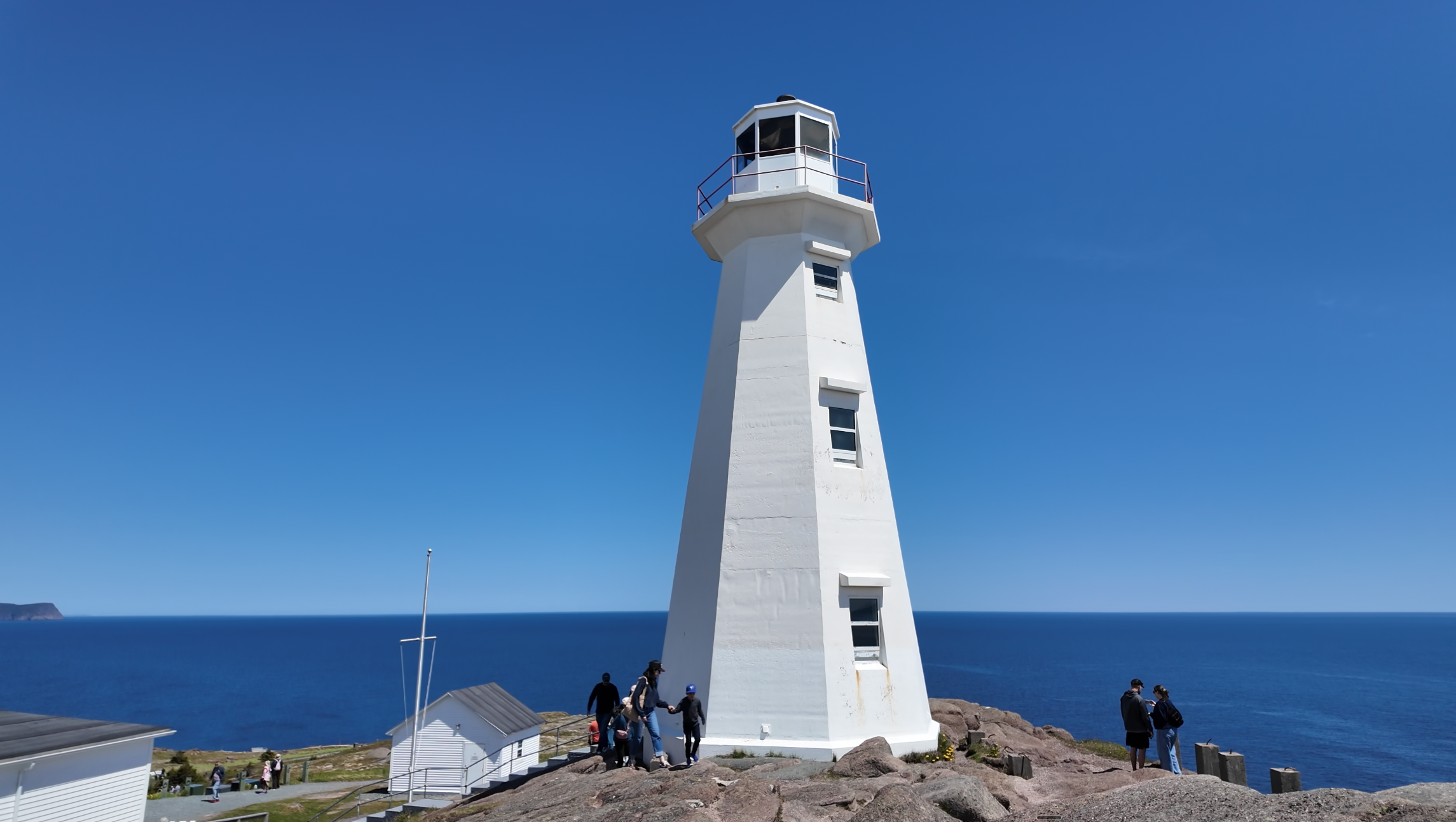
    Cape Spear lighthouse, the easternmost point in North America

    It sits outside the city, so you need transportation — budget about half an hour each way. Renting a car is possible but a bit of a logistical challenge for a port day, so realistically you’ll want a tour. The good news: most local sightseeing tours combine Signal Hill and Cape Spear into a three- to four-hour half-day, which is a very practical pairing for a first visit. The trade-off is time — a combined tour gives you the major views and history, but leaves less room for downtown, The Rooms or a boat tour.

    Iceberg Quest and the View From the Water

    After seeing St. John’s from above, one of the best ways to experience the same landscape is from the water. Iceberg Quest runs boat tours right from the downtown waterfront, which makes them convenient for cruise passengers when the schedule lines up with your time in port. The tour starts inside the harbour, heads out through The Narrows and into the open Atlantic — the same route your cruise ship takes, but from right down at water level, with Cabot Tower high above you and Fort Amherst across the way.
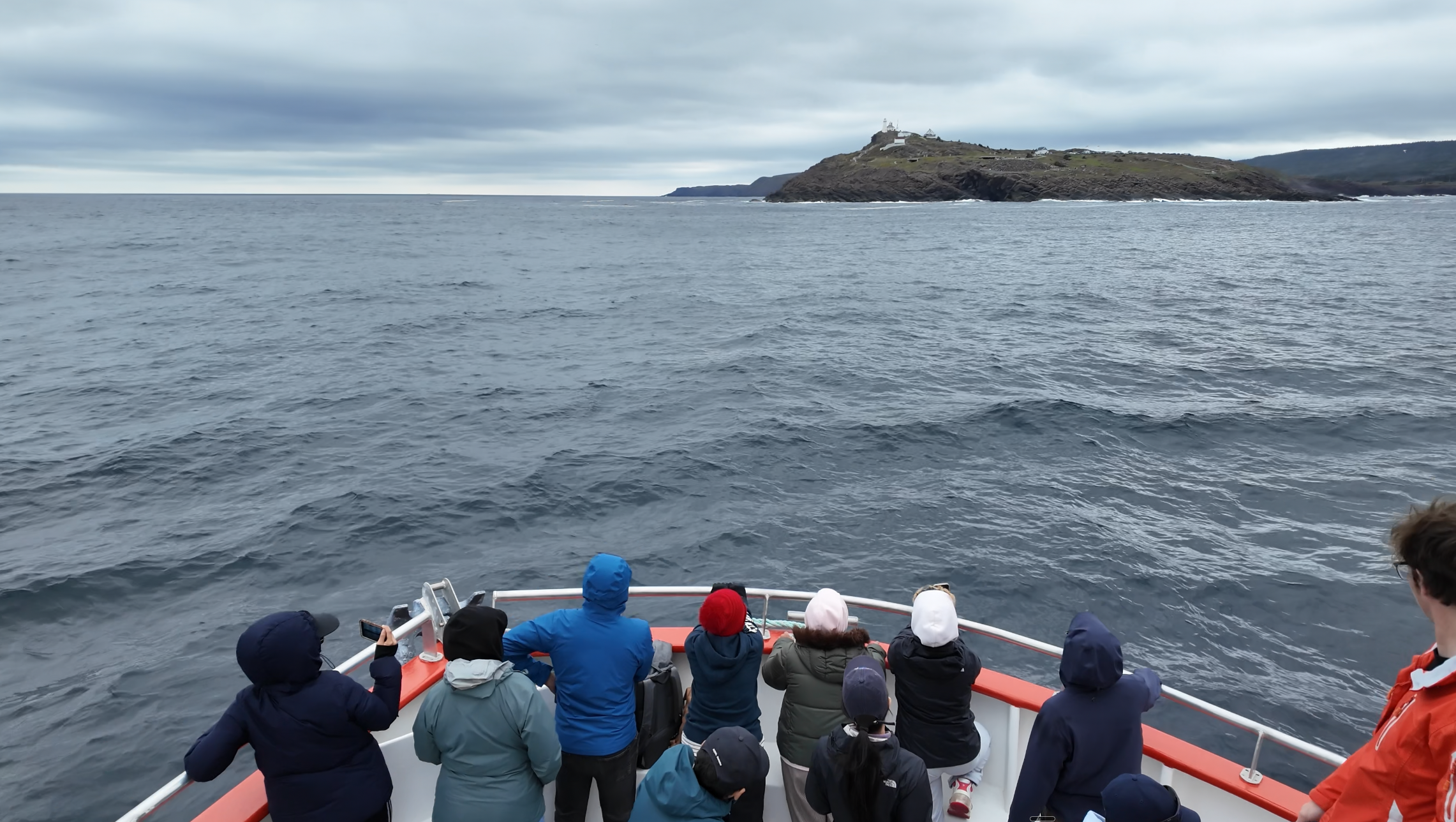
    Iceberg Quest boat tour passengers watching the coastline off St. John's

    A note on what you’ll see: icebergs are usually early in the cruise season around St. John’s, and they’re never guaranteed. Whales, though, are a real possibility on a boat tour — we were lucky enough to see them on our trip. This is a strong option if you want coastal scenery and wildlife without spending much of your day travelling by road. Just remember the North Atlantic runs colder and rougher than the sheltered harbour — even when downtown feels mild, it can be windy and chilly on the water, so bring layers and expect some spray.

    The Rooms

    For the story behind the place — or for a day when the weather isn’t cooperating — The Rooms is one of the most important attractions in the city: the provincial museum, art gallery and archives under one striking modern roof. The exhibits cover Indigenous cultures, settlement, the fishery, the natural environment, art and military history — the best place going to understand that this province is much more than cliffs, lighthouses and colourful houses.
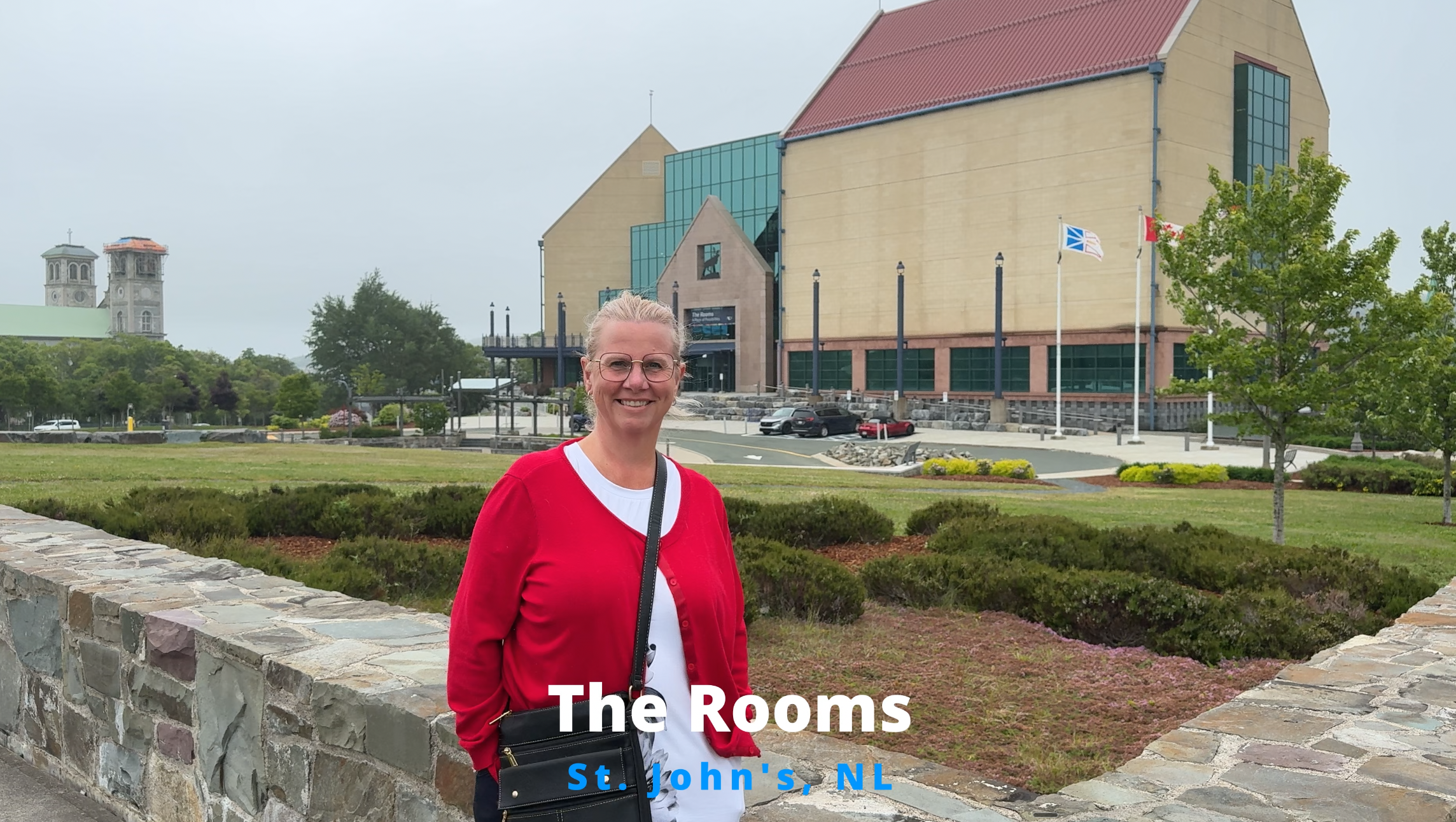
    Melanie outside The Rooms museum in St. John's, Newfoundland

    Here’s the honest bit: we’re from this province and have lived in the city for the last fifteen years, and we still had no idea how much there was to do at The Rooms. We’ve been a number of times and it’s genuinely worth going back to again and again. Don’t treat it only as a rainy-day backup — there’s enough here for several hours. It sits high above downtown, so the views over the harbour are excellent, but getting there is another climb; fit visitors can walk it, but a taxi is more practical if you’re maximizing your time. It works best as a major attraction on its own or paired with downtown, rather than crammed in alongside Signal Hill, Cape Spear and a boat tour.

    Downtown St. John’s

    Downtown deserves more than a quick walk-through — for most cruise passengers, this is where the day begins and ends, and that’s not a bad thing at all. The waterfront is the easiest area to explore on your own: a still-active harbour, real working-port energy, and the promenade where most of the boat tours depart. Walk along the water and take in Jellybean Row — the rows of houses painted every colour imaginable, the image the whole province is known for.

    Downtown St. John's pedestrian mall with patio seating on Water Street

    Just up from the water, Water Street runs parallel to the harbour, lined with restaurants, shops, cafés, pubs and the city’s most historic commercial buildings. In summer, part of it becomes the downtown pedestrian mall — outdoor patios, local shopping, a coffee or a pint, all walkable with no tour or taxi needed. Duckworth Street sits just above Water Street with even more restaurants and some of the most colourful architecture in the city. If you’re up for it, walking out through The Battery — the tiny cliffside fishing neighbourhood at the foot of Signal Hill — makes a great add-on to a Signal Hill trail hike.

    One fair warning: St. John’s is built on a hill. The waterfront is level, but the streets rise sharply the moment you move away from the harbour, and what looks like a short walk on a map can turn into a serious climb. Comfortable footwear isn’t optional here — it’s essential. If you have any mobility concerns at all, grab a cab even for distances that look short.

    Quidi Vidi Village

    Just outside the downtown core, Quidi Vidi is a postcard — a tiny working fishing village tucked into a sheltered cove, with Quidi Vidi Lake nearby. Both are pretty spectacular, and they feel a world away from the city even though they’re only minutes from it. The main draw is Quidi Vidi Brewery, which is very well known and pours some great craft beers. It’s an easy short taxi trip and a lovely spot to stop.

    George Street

    A short walk from the waterfront, George Street is the city’s best-known entertainment strip — a compact street packed with pubs, bars, restaurants and live-music venues. Here’s what’s worth knowing on a cruise day: when a ship arrives in St. John’s, the whole city knows. Locals come downtown to see it, the pubs and restaurants open early, and the street comes alive in a way a regular weekday morning just doesn’t produce. It’s at its best from around noon on, which lines up nicely with cruisers coming back from Signal Hill or Cape Spear in the early afternoon. With most ships in port until five or six, you have real time to experience it, not just walk past.
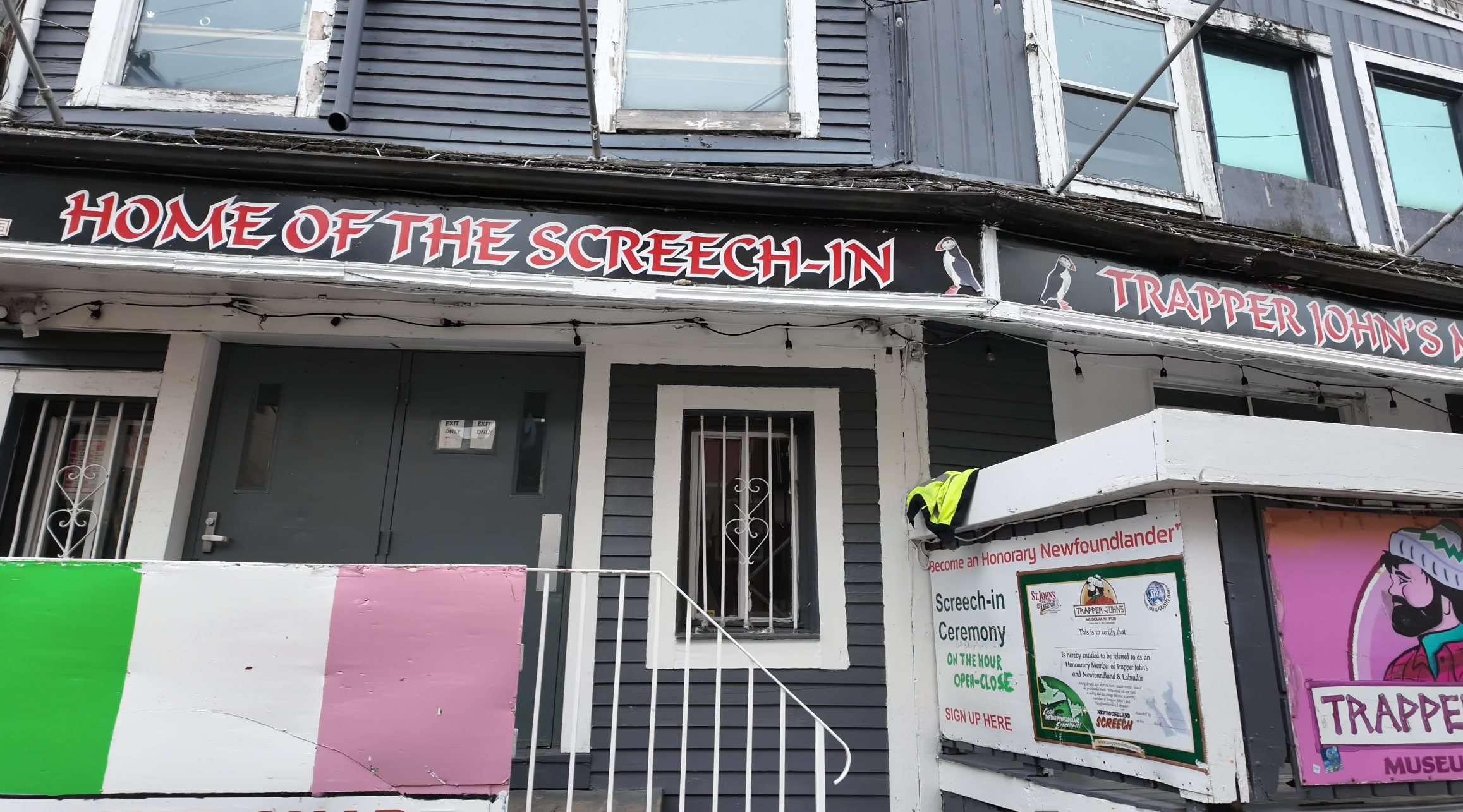
    Trapper John's on George Street, home of the St. John's screech-in

    George Street is also one of the spots where visitors get introduced to Newfoundland traditions like the screech-in — the tongue-in-cheek ceremony that makes you an honorary Newfoundlander. It’s realistic to fit into a port day: a number of places downtown do it, and it’s best to book ahead online or take it in as part of an organized tour. It’s genuinely entertaining and a lot of fun — just be prepared to pucker up and kiss the cod.

    Food, Drinks and Local Hospitality

    St. John’s has an excellent run of restaurants, pubs and cafés within walking distance of the harbour — Newfoundland seafood, fish and chips, local craft beer and traditional dishes, alongside a growing crop of contemporary spots.

    For fish and chips, try the Duke of Duckworth. Plenty of locals swear by Ches’s as the go-to fish-and-chips chain, but for us it’s somewhere like the Duke — or, for a proper seafood meal, the St. John’s Fish Exchange, which is a great spot. Downtown is also good for local artwork, crafts and Newfoundland-themed goods. And don’t be surprised if service here feels unusually personal — if someone calls you “dear,” “my love” or “darling,” that’s a friendly hello, not a marriage proposal.

    How to Plan Your Day

    The best itinerary depends on the length of your port call, the weather and the kind of day you want. Our biggest piece of advice: don’t try to do it all.

    For a first visit, we’d prioritize Signal Hill and Cape Spear — they pair naturally as a half-day tour and give you the strongest introduction to the scenery, history and geography, and still get you back downtown with time for lunch, Water Street and George Street. If the weather isn’t great, The Rooms is an excellent call. If wildlife and coastal scenery are your thing, the boat tour through The Narrows pairs well with downtown since it leaves from right near the ship. And if you’d rather keep it simple and independent, just stay downtown — the waterfront, Water Street, the pedestrian mall, Duckworth Street and George Street, plus lunch and a local drink, make for a very enjoyable day with no transportation to arrange.

    Trying to complete Signal Hill, Cape Spear, The Rooms, downtown and a boat tour in one call would be ambitious — technically possible on a long day, but it leaves no room for traffic, weather or actually enjoying the places you came to see. Choose one major experience or one strong pairing, then use downtown as the flexible part of your day.

    Our Perfect Port Day in St. John’s

    Watch the sail-in through The Narrows from the ship. After docking, take prearranged transportation up to Signal Hill before it gets busy, then continue to Cape Spear for the lighthouse, the wartime remains and the Atlantic views. Head back downtown for lunch, walk the pedestrian mall and George Street, and spend the rest of the day along the waterfront. For a longer visit, add either The Rooms or the Iceberg Quest boat tour — but probably not both, unless your ship has an especially long day in port. That gives you the major scenery, history and downtown atmosphere without turning the day into a race.

    A Word on Weather and What to Wear

    Newfoundland weather deserves its own mention, because it changes fast. A day can start foggy or drizzly and turn clear and sunny — or the exact opposite — and it can feel noticeably colder at Signal Hill, Cape Spear or out on the water than it does downtown. Bring a light waterproof layer even when rain isn’t forecast, wear comfortable walking shoes, and dress in layers you can add or shed through the day. Don’t automatically cancel plans because of fog — it often lifts, and the fog itself makes for dramatic Newfoundland atmosphere — but keep some flexibility when your plans depend on long-distance views or marine conditions.

    Dockside Travel Port Ratings: St. John’s

    CategoryRating
    Walkability⭐⭐⭐½ (3.5/5)
    Friendliness⭐⭐⭐⭐⭐ (5/5)
    BeachesNot applicable
    Amenities & options⭐⭐⭐⭐⭐ (5/5)
    Safety & comfort⭐⭐⭐⭐⭐ (5/5)
    Value for money⭐⭐⭐⭐⭐ (5/5)
    Overall⭐⭐⭐⭐⭐ (5/5)

    Walkability (3.5/5): The downtown waterfront, Water Street, George Street and the pedestrian mall are easy to reach from the ship. But the hills are real, and Signal Hill, Cape Spear and The Rooms may need transportation depending on your mobility and time.

    Friendliness (5/5): Newfoundland hospitality isn’t just a tourism slogan. People are welcoming, helpful and happy to talk with visitors — and being called “dear” or “my love” is usually just how someone says hello.

    Cruise visitors greeting friendly Newfoundland dogs on the St. John's waterfront

    Beaches (not applicable): We’re not giving a numerical score here. There are beaches and coastal areas around the region, but this isn’t a conventional beach-day port. You come for cliffs, whales, history, fog and an ocean that looks slightly angry even when it’s having a good day.

    Amenities & options (5/5): Explore independently, take a historical tour, visit museums, go whale watching, walk the coastline, enjoy local food or spend the day downtown — a strong variety of experiences for such a compact destination.

    Safety & comfort (5/5): The main tourism areas feel safe and welcoming. The real concerns are practical ones — steep terrain, changing weather, ocean conditions, and leaving enough time to get back to the ship.

    Value for money (5/5): A large part of downtown can be explored for free, and Signal Hill and Cape Spear deliver hours of sightseeing without high admission prices. Tours and boat trips add cost, but there are options for different budgets.

    Overall (5/5): It doesn’t mean it’s perfect for every visitor — the weather is unpredictable, the hills are a challenge, and this isn’t a warm-weather destination. But few ports combine a dramatic sail-in, maritime history, rugged scenery, wildlife, culture, food and a walkable downtown this close to the ship. St. John’s doesn’t feel like a generic cruise stop. It feels unmistakably like Newfoundland — and that’s exactly why it earns a full five out of five.

    St. John’s at a Glance

    • Port type: Port of call (and occasional turnaround) — cruise berth right in downtown St. John’s harbour
    • Getting there by ship: In through The Narrows between Signal Hill and Fort Amherst — be on deck for the arrival
    • Walkable from the ship: Downtown waterfront, Water & Duckworth Streets, Jellybean Row, George Street; The Battery on foot as part of a Signal Hill hike
    • Needs transport: Signal Hill summit (~10-min drive), Cape Spear (~30 min each way — tour recommended), The Rooms, Quidi Vidi Village (short taxi)
    • Best pairing: Signal Hill + Cape Spear as a 3–4 hour half-day tour, then downtown
    • Don’t miss: Fish and chips at the Duke of Duckworth, or seafood at the St. John’s Fish Exchange
    • Seasonal: Icebergs early in the cruise season; whales possible on an Iceberg Quest boat tour
    • Local quirk: Newfoundland Time — half an hour ahead of Atlantic; confirm your all-aboard
    • Come prepared: Comfortable shoes for the hills and a light waterproof layer — the weather turns quickly
    • Not to be confused with: Saint John, New Brunswick — a different city entirely. This is St. John’s, Newfoundland and Labrador.

    Watch the Trailer

    Kris and Melanie Parsons are a Canadian couple with 20+ years of cruising experience — dozens of sailings and nearly 300 nights at sea across Celebrity, Princess, Royal Caribbean, Virgin Voyages, Carnival and Norwegian. St. John’s, Newfoundland is home. Follow along on YouTube for weekly cruise port guides, ship tours and vlog content.
  • Royal Beach Club Nassau: Honest Review (Is It Worth It?)

    Royal Beach Club Nassau: Honest Review (Is It Worth It?)

    Royal Beach Club Nassau just opened and it might be the most talked-about new cruise destination in the Caribbean. We went. We split up and covered the whole island. We ate the food, did the research, and have a genuinely honest take on whether it’s worth your money.

    The short answer: it depends on two things — what you pay, and how much port time you actually have. We’ll get into both.

    Watch Our Full Royal Beach Club Tour and Review

    If you found this from the video — welcome. Below is everything from our day on the island, plus our honest verdict on pricing, cabanas, and timing.

    What Is the Royal Beach Club?

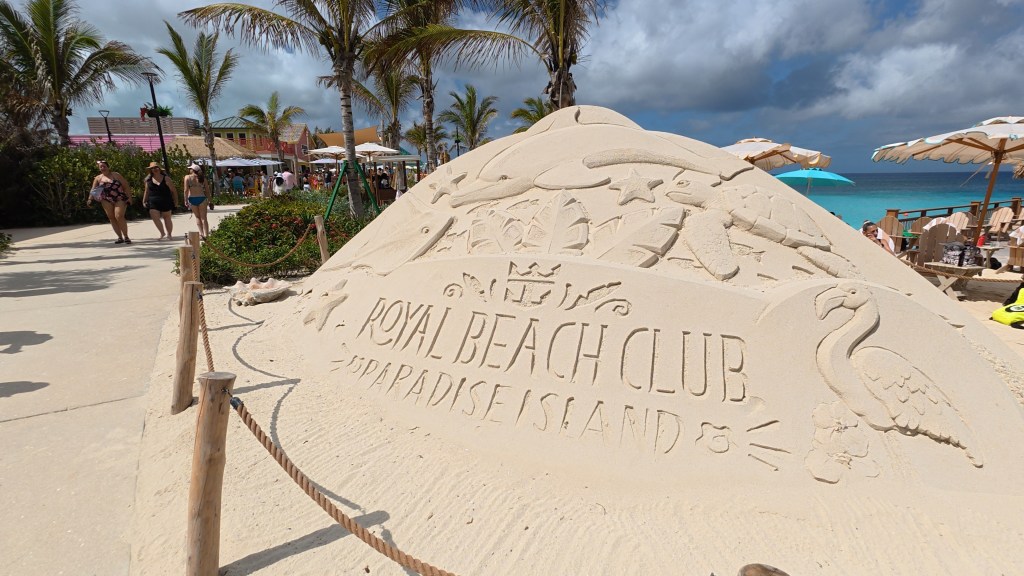
    Royal Beach Club Paradise Island is Royal Caribbean’s brand-new private island destination, located right in Nassau Harbour. It’s available exclusively to guests sailing on Royal Caribbean, Celebrity, and Silversea — so if you’re booked on one of those lines and Nassau is on your itinerary, this is an option for you.

    It’s not a ship excursion to a remote beach. It’s a full beach club — pools, bars, food, water sports, cabanas — sitting across the harbour from where your ship docks, with views back toward Nassau and the cruise pier.

    Getting There

    You book it as a shore excursion through your cruise line. To get to the island, you take a short ferry — about 10 minutes — that departs from inside the cruise port at the far end of the ship docks, in the direction of Atlantis Resort. Pricing is dynamic, which is Royal’s way of saying it fluctuates based on demand. Check your cruise planner early. Prices vary by sailing and tend to increase as the date gets closer.

    Your first look at the island as you come in on the ferry is genuinely impressive — clean, well-designed, clearly well-funded. It delivers on the marketing photos, at least from a distance.

    Royal Beach Club Nassau arrival by ferry

    What’s There: The Full Layout

    We split up to cover the whole island — Kris took the right side, Mel took the left. Here’s what we found.

    The Party Pool and Main Social Area

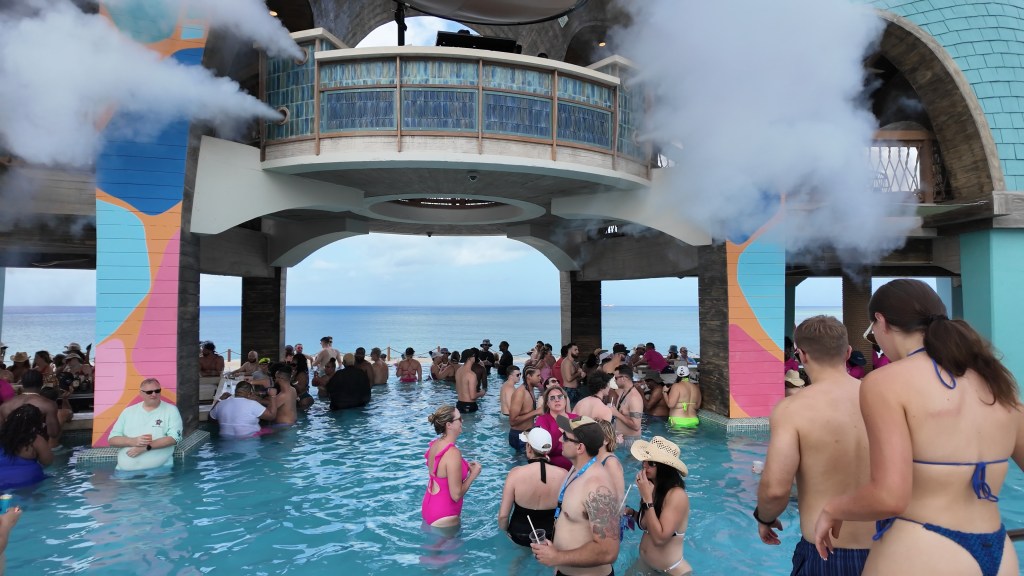
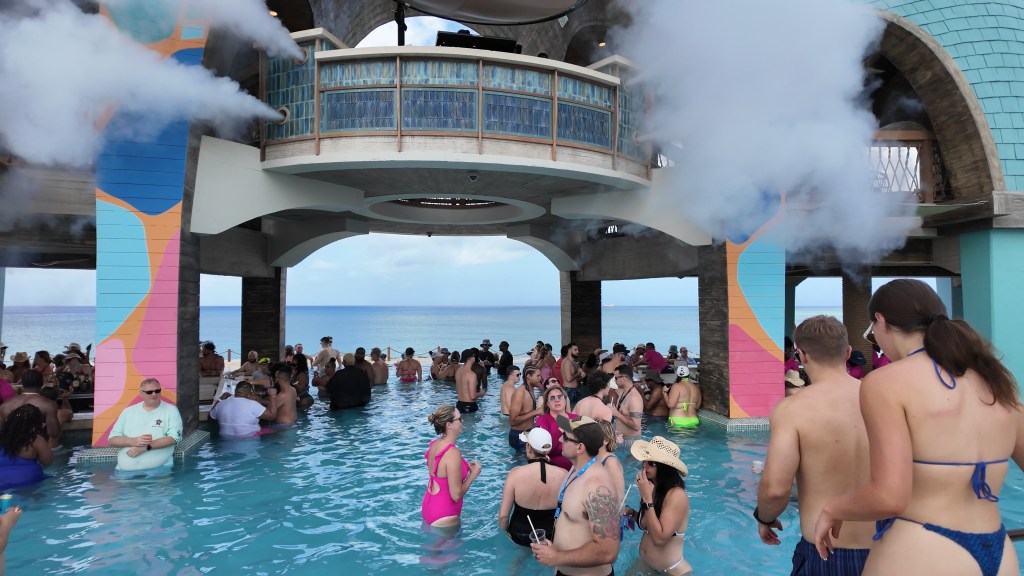
    Right at the heart of the island is the party pool — the social centre of the whole beach club. Bars, lounge seating along the waterfront, a water slide, music, the whole setup. The facilities look fantastic. Everything is brand new, well-maintained, and smartly laid out. This is clearly a premium product and it shows.

    On a less crowded day, this will be a really great time. On a busy day — more on that in a moment.

    The party pool and social area at Royal Beach Club Nassau

    The Infinity Pool

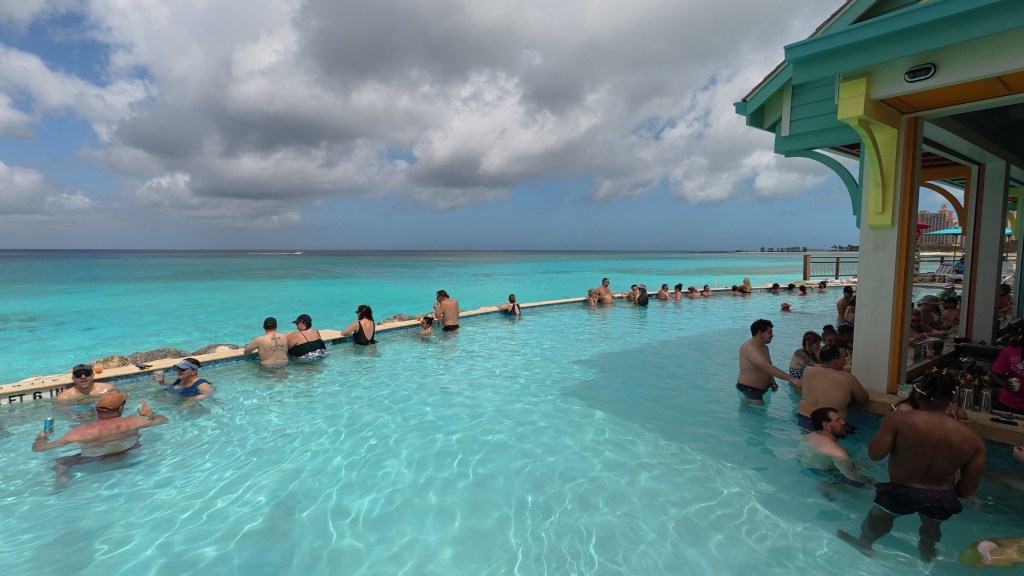
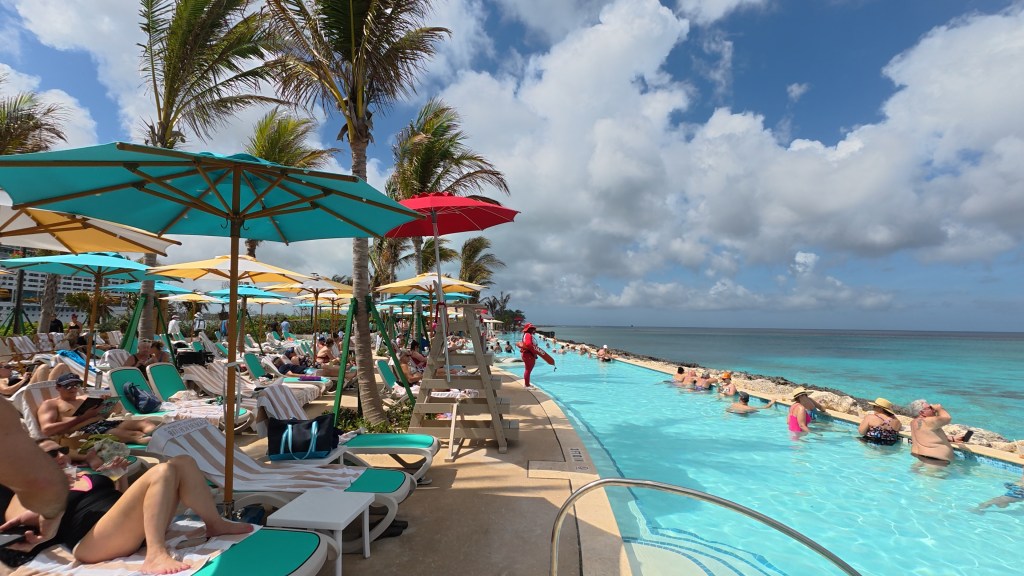
    Further along: a large infinity pool with views over the ocean and a swim-up bar right beside it. In the interest of thorough research, we tested the daiquiris on the way down and the Goombay Smashes on the way back. Both held up well.

    The infinity pool at Royal Beach Club Nassau

    The Beach

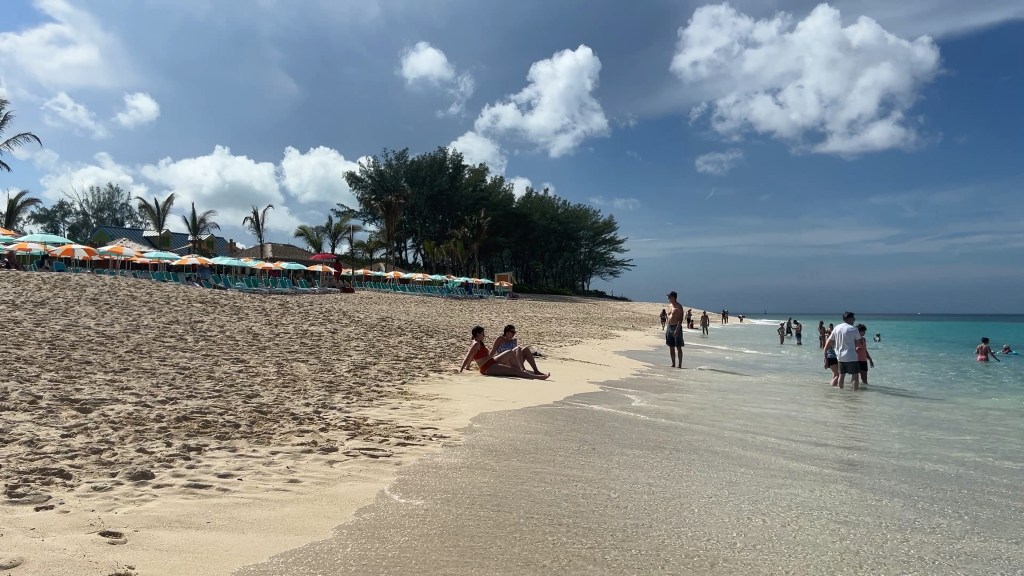
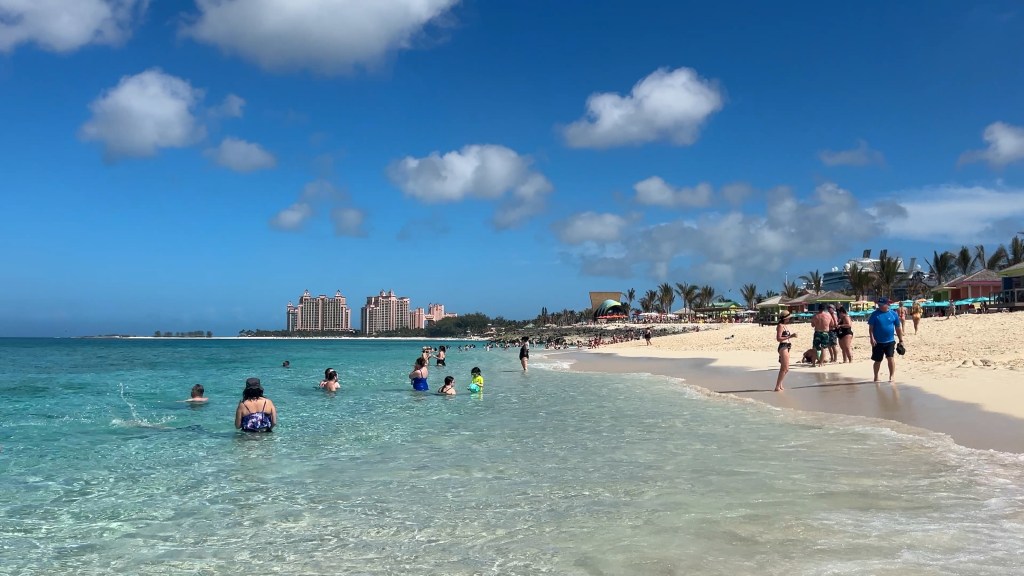
    The beach on the far end of the island is genuinely beautiful — clear water, great sand, and in the early afternoon light, absolutely stunning. This part lives up to every photo you’ve seen. Most people don’t make it this far, which is exactly why it’s worth the walk. The further you go from the party pool, the more peaceful it gets.

    The beach at Royal Beach Club Nassau

    The Quiet Beach

    At the very far end of the island, you get open views toward the entrance to Nassau Harbour with the lighthouse in the distance. It’s a completely different atmosphere from the party pool end — calm, quiet, genuinely lovely. This was our favourite part of the whole day. The water is warm and calm, and most guests never made it this far.

    The quiet beach at the far end of Royal Beach Club Nassau

    Food

    Food is included in your excursion price, which we appreciate. We had cheese bites, chicken tenders, a chicken Caesar wrap, and a lobster BLT wrap. Honest verdict: the food was actually great. It’s not the reason you come here, but for a beach day it does the job well.

    Cabanas

    Beach cabanas are the premium offering here — private shade, your own dedicated space right on the water. They look fantastic. At the top of the range is the ultimate family cabana: outside area, inside area, a slide from the top, a loft with a bar, covered outdoor dining. If you have a large group and cost truly isn’t a factor, it looks spectacular. We’re talking thousands of dollars though, so keep that in mind.

    Premium cabanas at Royal Beach Club Nassau

    The Honest Verdict: Is It Worth It?

    Here’s where we want to be really specific, because the answer genuinely depends on two things.

    Factor 1: What You Pay

    Royal uses dynamic pricing, so what you pay can vary quite a bit. If you catch it at a reasonable rate — and you have a full day in port — this is a genuinely great experience. The facility is beautiful, the beach is fantastic, and you have time to actually enjoy it.

    Factor 2: Your Port Time

    This is the one most people overlook before booking. We arrived at noon. Three other Royal Caribbean ships had been at the Royal Beach Club since early morning. Almost every chair was already gone by the time we got there. The pools were packed, and we were all leaving at roughly the same time around 5:00 — so the crowds never thinned.

    For us, on a short port call like that, we wouldn’t do it again at full price. The math just doesn’t work out.

    The key question to ask before you book: What time does your ship arrive, and how many other Royal Caribbean ships are in port that day? If you’re getting a full day and the price is right — go for it. If you’re on a half-day call, you might get more out of exploring Nassau itself.

    Are the Cabanas Worth It?

    They look incredible. And if budget is genuinely no concern, the beach cabanas are fantastic — private space, no chair scramble, your own piece of the island.

    Our honest take: we’d rather put that money toward another cruise. More days at sea, more destinations, more experiences. That’s just how we think about it — and we suspect a lot of you in the Dockside crew feel the same way. But if you’re celebrating something special or travelling with a big group, the premium cabanas are genuinely worth considering.

    Getting Back: What to Know

    The ferry back drops you at a different dock location inside the cruise port — not where you came from this morning, so you won’t be retracing your steps. It’s a slightly longer journey back to your ship from there, and there is a security checkpoint along the way. Have your ship card and photo ID ready.

    On timing: we left the Royal Beach Club with about 60 minutes before our ship’s all-aboard time, and that was plenty. Figure roughly 10–15 minutes on the ferry, 15 minutes walking through the port, and about 10 minutes at the security lineup. Build in a small buffer and you’re fine.

    The Bottom Line

    Royal Beach Club Nassau is a beautiful facility. On the right day, with the right port time and the right price, it’s a genuinely great experience — and our top pick for a full Nassau port day if you’re on a qualifying sailing.

    But do your homework before you book. Check your arrival time. Check the other ships in port. If the timing works and the price is right, you’ll love it. If you’re on a short call at peak price, Nassau itself has plenty to offer.

    Planning a Nassau port day? Read our complete Nassau cruise port guide for everything else you need — from Queen’s Staircase to the best Bahamian food.

  • Nassau Cruise Port Guide: Everything You Need to Know

    Nassau Cruise Port Guide: Everything You Need to Know

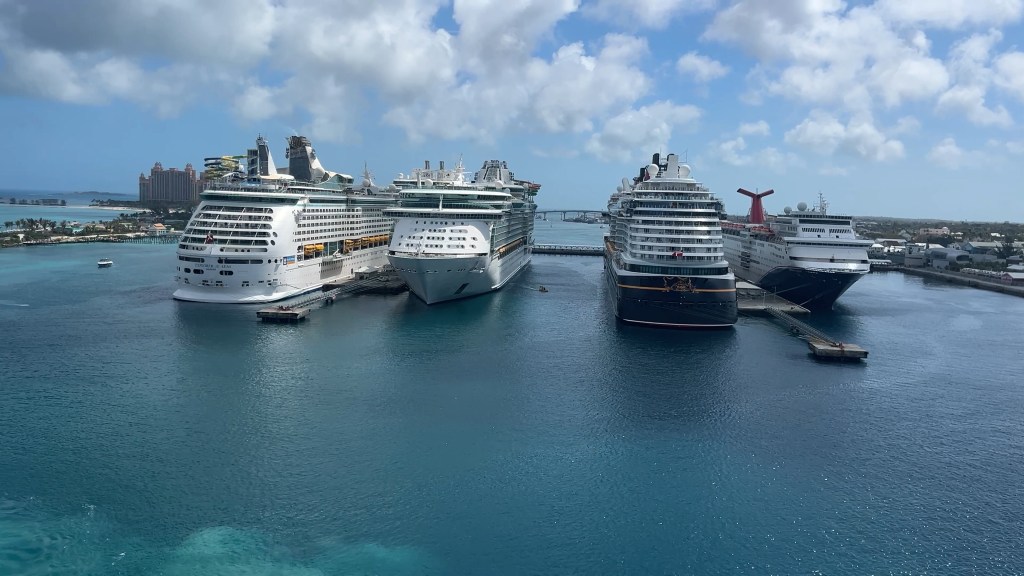
    Nassau is the most visited cruise port on the planet. Over six million cruise passengers step off the gangway here every year. On a busy day, five or six ships can be docked at once. And yet it might also be the most polarizing port in the Caribbean — some cruisers love it, some can’t wait to get back on the ship, and a lot of first-timers walk off completely unprepared for what greets them.

    This guide will change that. Everything you need to plan a genuinely great day in Nassau — from the pier to the best Bahamian food, plus the honest safety context most port guides skip over.

    Watch the Full Nassau Port Guide

    If you found this from the video — welcome. Below is everything we couldn’t fit into the runtime, plus our full day planning frameworks and port ratings.

    The Basics

    • Docking: Pier (no tender required)
    • Walking distance to town: 10–15 minutes on foot
    • Currency: Bahamian dollar — USD accepted everywhere
    • Language: English
    • Best for: History, local food, walkable beach access, full-day resort experiences

    Arriving at the Pier

    Nassau is a pier docking port — your ship ties up directly. No tenders, no water taxis to get ashore. The cruise facility has improved significantly in recent years and is now modern, colourful, and clean, with shops and open spaces that make for an easy walk to the harbour area.

    Step outside the pier gates and the energy shifts immediately. You’ll be greeted by taxi drivers, tour operators, excursion reps, and vendors all competing for your attention at once. Walk with purpose. Know where you’re headed before you step off the gangway — Nassau will absolutely fill the gap if you don’t.

    Nassau cruise harbour with multiple ships docked

    Getting Around

    Nassau is one of the most walkable Caribbean capital cities for cruise passengers. Within 10–15 minutes on foot from most berths, you can reach Junkanoo Beach, Bay Street shopping, and several key historical sites — without booking anything or hailing a cab.

    For beaches beyond Junkanoo, you’ll want transport. Cable Beach is a popular choice — wider, calmer, more resort-like — and a 10-minute taxi ride. Taxis are plentiful and rates are posted, but always confirm the price before you get in. For groups, hiring a private driver for a couple of hours often gives excellent flexibility and value.

    Water taxis also run across the harbour to Paradise Island if you’re planning an Atlantis visit, and they’re a fun little ride in their own right.

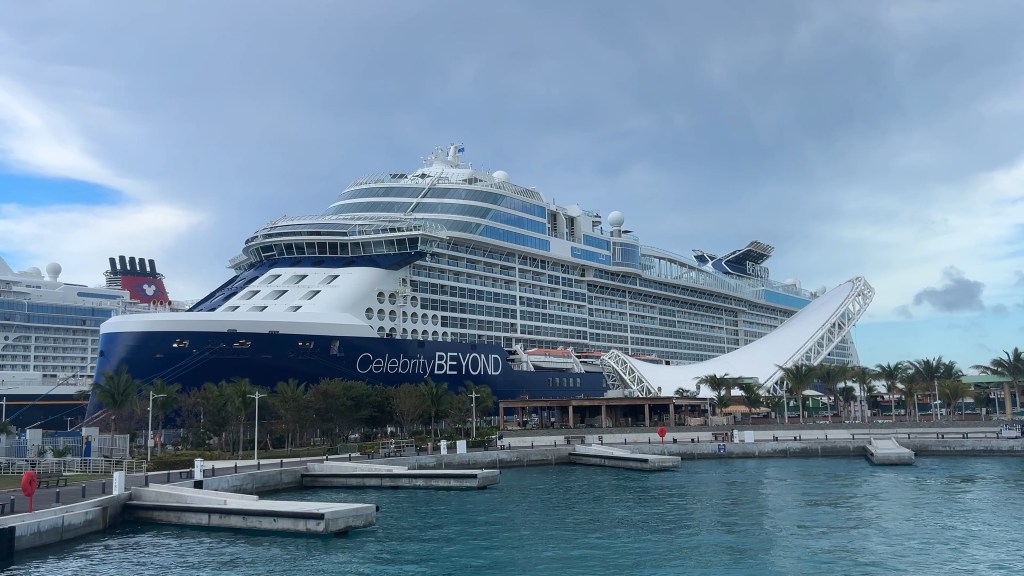
    Celebrity Beyond cruise ship at Nassau harbour

    What to Do in Nassau

    Queen’s Staircase and Fort Fincastle (Free — and Worth Every Minute)

    Nassau’s most underrated attraction, and it costs nothing. The Queen’s Staircase is a 66-step staircase hand-carved from limestone by enslaved workers in the late 18th century, built to allow soldiers to move between the fort and the town below. It’s shaded, beautifully preserved, and leads directly up to Fort Fincastle, where you get sweeping views across Nassau harbour and the ships below. The whole visit takes 30–40 minutes and it’s about a 15-minute walk from the pier. If you have any interest in history — or a great photograph — make this a priority.

    Junkanoo Beach

    About 10–15 minutes’ walk from most berths, Junkanoo is the most accessible beach option for cruisers. It’s lively, with beach bars, food, chair rentals, and bathroom facilities. Is it the most pristine beach in the Caribbean? No. But for a walk-off beach day without excursions or taxis, it delivers on atmosphere and convenience.

    Atlantis Resort, Paradise Island

    The marquee draw for many visitors — a massive resort complex with water slides, a lagoon aquarium, pools, restaurants, and a casino. Day passes exist but they’re pricey. Budget your time carefully: the crossing, the walk to the resort, and any crowds can eat into your port time faster than expected.

    Royal Beach Club Paradise Island (Royal Caribbean and Celebrity Guests)

    Located right across the harbour from where ships dock, the Royal Beach Club is Royal Caribbean’s brand-new private island destination in Nassau — available exclusively to guests on Royal Caribbean, Celebrity, and Silversea sailings. It’s a structured beach club day with pools, food, water sports, and entertainment, and transport from the pier is included.

    If you’re on a qualifying sailing and the price works, it’s our top pick for a full Nassau port day. But the key word is full. If your ship arrives late or there are multiple Royal ships in port, the chairs fill fast and the crowds never thin. Check your arrival time and how many other ships are in port before you book. We’ve put together a full honest review of the Royal Beach Club if you want the complete picture before you decide.

    Blue Lagoon Island

    A private beach experience that gets strong reviews, particularly for families — calm water, beautiful setting, dolphin encounters, and snorkelling. Typically accessed via an organized excursion and one of the better independent alternatives if the Royal Beach Club isn’t an option for you.

    One caution on Swim with the Pigs: It’s marketed heavily in Nassau, but this experience is typically at Exuma — accessed by speedboat and a significant distance away. Confirm the full logistics before booking. No surprises on port day.

    Avoid jet ski and water rental operators approaching you at the pier. Nassau has documented problems with unlicensed operators, aggressive pricing, and safety incidents. Stick to ship excursions or operators with verified reviews on TripAdvisor or Cruise Critic.

    Where to Eat

    Nassau’s food scene is genuinely worth exploring if you go local. The Bahamian staples are the real highlight: cracked conch (lightly breaded and fried, crispy and delicious), conch fritters (a classic near the waterfront), conch salad (fresh, citrusy, sometimes made right in front of you), and fresh seafood and Bahamian fish plates widely available near the water.

    One spot near Junkanoo Beach that consistently comes up in cruiser recommendations: The Salty Crab — casual, close to the action, and rated 4.8/5 on TripAdvisor. A strong choice for a DIY beach day.

    One reality check: Nassau is not a budget port. Meals, drinks, and especially anything near the resort areas will cost noticeably more than most Caribbean stops. Build that into your day before you go.

    Safety: The Honest Version

    We’ll be straight with you, as always. At the time of filming our video, both Canada and the United States advised travellers to exercise increased caution in the Bahamas, with Nassau specifically highlighted due to higher crime levels compared to most other Caribbean cruise ports.

    Here’s what that means practically for a cruise passenger: crime in Nassau is not evenly distributed. The cruise pier, the waterfront tour zones, Junkanoo Beach, and organized resort areas are generally well-policed and feel secure. The risk rises when you venture into residential streets or areas beyond the main tourist corridor, especially without a guide. The most common issues cruisers face are persistent solicitation, overcharging, scams, and petty theft at crowded beach areas.

    To stay safe: use licensed taxis and confirm pricing before you get in. Stay in the main tourist zones unless you’re with a guided tour. Keep valuables secured on the beach and don’t leave anything unattended. Politely decline unsolicited vendors and keep walking — engaging just invites persistence.

    Treat it like a day in a busy city. Stay aware, stay in populated areas, have a plan — and you’ll be fine. Thousands of cruisers have genuinely great days in Nassau every week. The ones who struggle are almost always the ones who stepped off without a plan.

    Planning Your Day

    If You Have 4 Hours

    Walk directly to Junkanoo Beach. Enjoy the water. Grab a drink or some conch fritters nearby. Stroll Bay Street on the way back for a quick browse. Board early to beat the crowds.

    If You Have 6 Hours

    Start at Queen’s Staircase and Fort Fincastle — history, harbour views, great photos. Walk back toward the waterfront. Hit Junkanoo Beach for a swim and lunch. Finish with a loop through the downtown shopping district before heading back to the ship.

    If You Have a Full Day

    If you’re on a Royal Caribbean or Celebrity sailing and the price works, the Royal Beach Club is our top pick — pools, entertainment, family beach, water sports, all-you-can-eat food, and open bar, with transport sorted from the pier. Just check your ship’s arrival time and how many other Royal ships are docked that day before you commit.

    If you’d rather go independent: book a reputable excursion to Blue Lagoon Island or Cable Beach, build in time for a proper Bahamian lunch, and leave 90 minutes before all-aboard to get back comfortably.

    How Nassau Rates

    • Walkability: 4/5 — Downtown, Junkanoo, and the historic sites are all walkable. Better beaches require transport.
    • Family-friendly: 3/5 — Works well with kids in the right spots. Less predictable if you venture off-path.
    • Beach and relaxation: 3/5 — Junkanoo is convenient and fun but not pristine. Cable Beach and Cabbage Beach raise the bar with more effort required.
    • Culture, history, local vibe: 4/5 — More depth here than most cruisers expect.
    • Value for money: 2/5 — One of the more expensive Caribbean ports. Tourist pricing is real. Plan your budget.
    • Safety and comfort: 3/5 — Elevated caution advisories compared to most Caribbean stops. Very manageable with awareness, but not something to brush off.

    The Bottom Line

    Nassau isn’t a paradise you stumble into. It’s a port that rewards the prepared cruiser. Come in with a plan, stay in the right zones, lean into the local food and history, and you’ll leave saying it was absolutely worth the stop.

    Loud, crowded, imperfect — and genuinely interesting when you approach it the right way.

    If this guide helped you feel more ready for your port day, that’s exactly what we’re here for. Find more port guides, ship tours, and cruise vlogs on our YouTube channel — new content every week.

  • Sint Maarten / Saint Martin Cruise Port Guide: What to Expect & How to Plan Your Day

    Sint Maarten / Saint Martin Cruise Port Guide: What to Expect & How to Plan Your Day

    Sint Maarten (Saint Martin) is one of the most popular cruise ports in the Eastern Caribbean. It offers a unique blend of Dutch and French culture. The island has beautiful beaches. Visitors also have easy access to both relaxed and adventure-filled shore days.

    In this cruise port guide, we explore what to expect when your ship docks in Sint Maarten. We describe how the port area is laid out. You will also learn the best ways to spend your time ashore based on real cruise-day experience.

    Arriving in Port & First Impressions

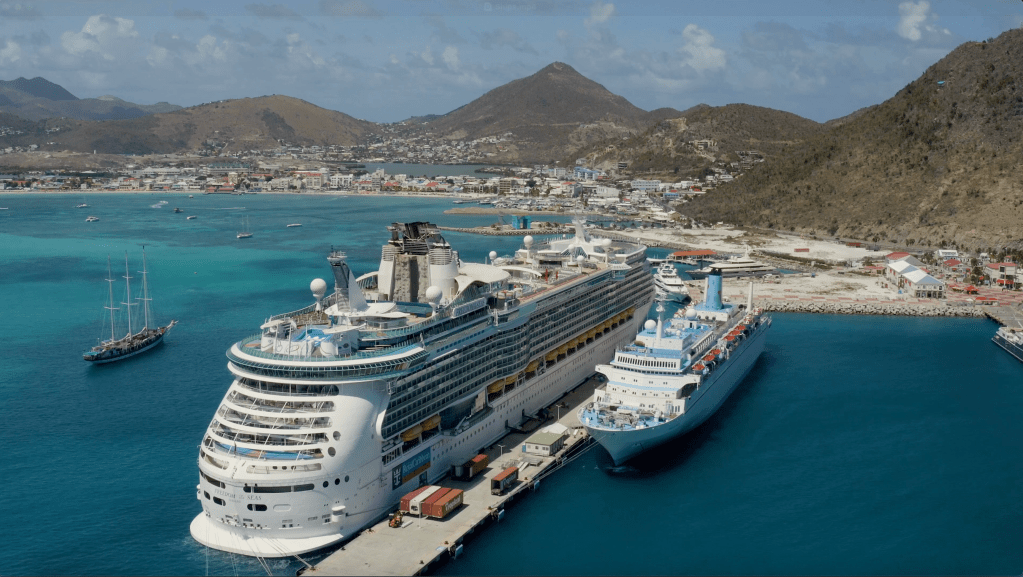
    St. Maarten is one of the busiest cruise ports in the Caribbean, welcoming roughly 1.5 to 2 million cruise passengers each year. The port often hosts five to seven ships during the peak winter season. Despite the volume, the island handles cruise traffic surprisingly well.

    Ships dock at Port St. Maarten on the south side of Philipsburg. The terminal area is clean, modern, and purpose-built for cruise tourism. It has shops, excursion booths, taxi dispatch zones, rest areas, and clear directional signage as soon as you step ashore.

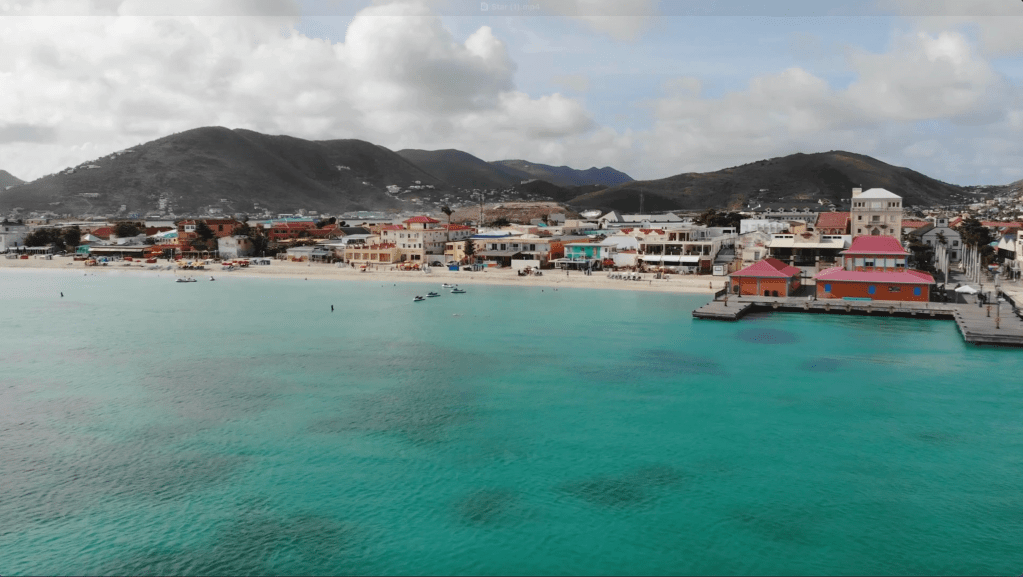
    While everything feels organized and easy, the main town and beaches are a little farther than they first appear. Most cruisers take the water taxi into Philipsburg. The taxi is inexpensive, fast, and scenic. Some choose to walk along a busy stretch of road that’s less enjoyable.

    Easy DIY Day in Philipsburg

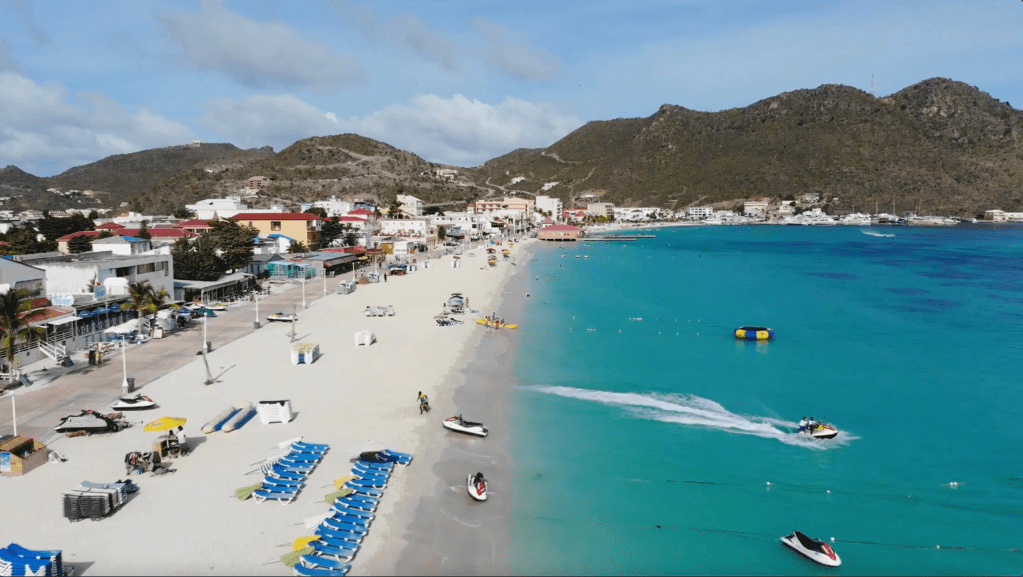
    Once the water taxi drops you along the Philipsburg waterfront, everything opens up in front of you. There’s a long sandy beach. The water is calm. There are plenty of loungers, beach bars, and restaurants. You will find shops and great views of your ship anchored in the bay.

    You don’t need to go any farther if all you want is a relaxed, low-effort beach day. Food, drinks, and shopping are close by. Philipsburg is one of the easiest DIY cruise port days in the Caribbean.

    Maho Beach: The Iconic Plane-Spotting Stop

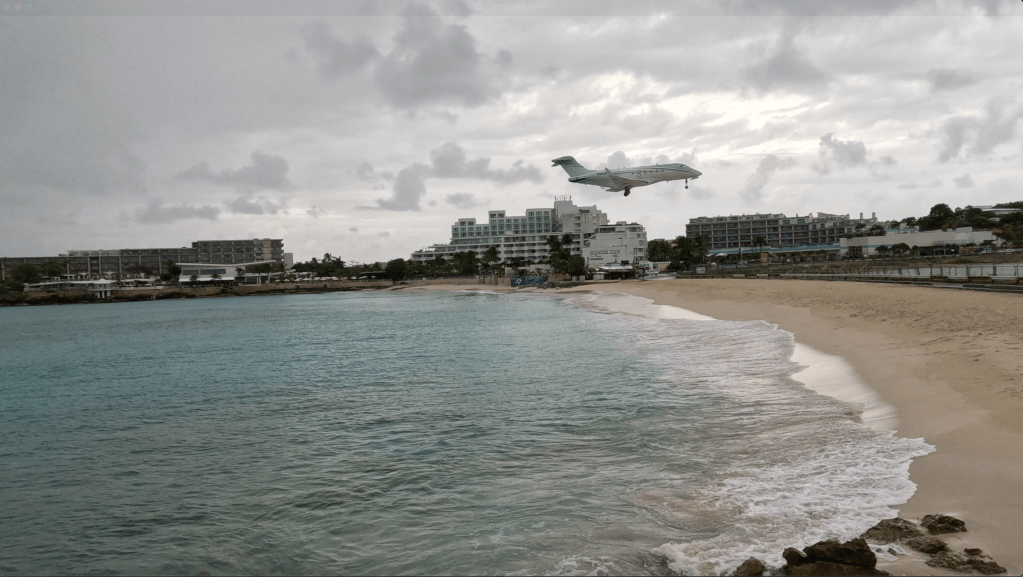
    For many cruisers, Maho Beach is the headline attraction in St. Maarten. This is the famous beach beside the airport runway where planes roar overhead as they land just meters away.

    It’s a lively, bucket-list experience and the planes really are that close. Warning signs are posted. Jet wash can be hazardous during takeoff. Yet that thrill is part of what makes Maho such a memorable stop.

    Maho Beach is easily reached by taxi. It sits just under a 30-minute drive from the cruise port. Beach bars and viewing spots are waiting when you arrive.

    Better Beaches Nearby (Mullet Bay & Simpson Bay)

    Here’s the Dockside insider tip. Maho Beach is fun to visit. Yet, it’s not the best place for swimming. It’s also not ideal for spending an entire beach day.

    Just minutes away, Simpson Bay Beach and Mullet Bay offer wider shorelines. The water is clearer, and the swimming experience is better. They offer a more classic Caribbean beach feel. These beaches are favorites among repeat cruisers and locals who want less chaos and more natural beauty.

    French Side Experiences (Orient Beach & Marigot)

    If you want to mix beach time with culture, the French side of the island is a fantastic choice. It also offers great food. Orient Beach is known for its long stretch of sand, beach clubs, restaurants, and water activities.

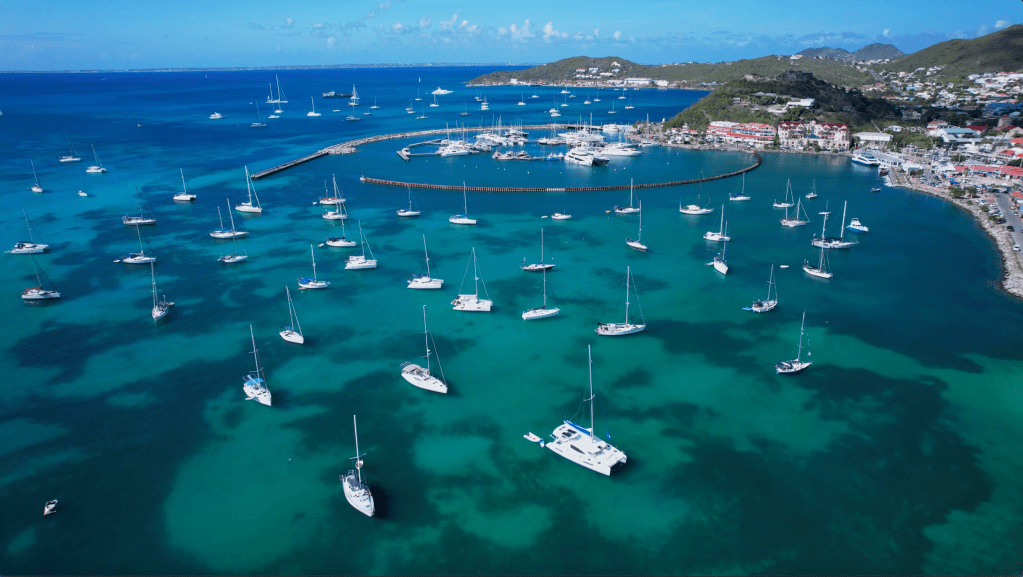
    Marigot, the French capital, is another popular stop, especially for food lovers. It offers a very different vibe from the Dutch side. There are cafés, bakeries, markets, and waterfront views. All of these are within a short taxi ride.

    With enough time in port, you can easily enjoy beach time. You can also get a taste of French Caribbean culture in a single day.

    Safety, Food & Practical Tips

    If you stay near Philipsburg, you’ll find plenty of casual beach bars and shore-front restaurants. For food that really stands out, many cruisers head to Marigot. European-style cafés, bistros, and pastry shops are a highlight there.

    When this guide was created, both Canada and the United States advised travelers to exercise normal caution in St. Maarten. The port area, Philipsburg boardwalk, water taxi docks, and main beaches generally feel safe and busy with cruise visitors.

    As with most popular cruise destinations, petty theft can occur on busy days. Keep valuables secure at the beach, use licensed taxis, and allow extra time for traffic when returning to the ship.

    Final Thoughts on St. Maarten

    St. Maarten is one of the Caribbean’s most flexible and rewarding cruise ports. If you’re looking for an easy DIY beach day, this island gives you options. Enjoy iconic plane spotting at Maho. Visit a quieter stretch of sand at Mullet or Simpson Bay. Explore French food and culture in Marigot.

    With a little planning and smart transportation choices, it’s easy to tailor your port day to match your travel style — which is why St. Maarten remains a favorite for first-time and repeat cruisers alike.

    Want to see St. Maarten in action? Watch our full St. Maarten Port Guide on YouTube for real footage, tips, and what to expect on the ground.